
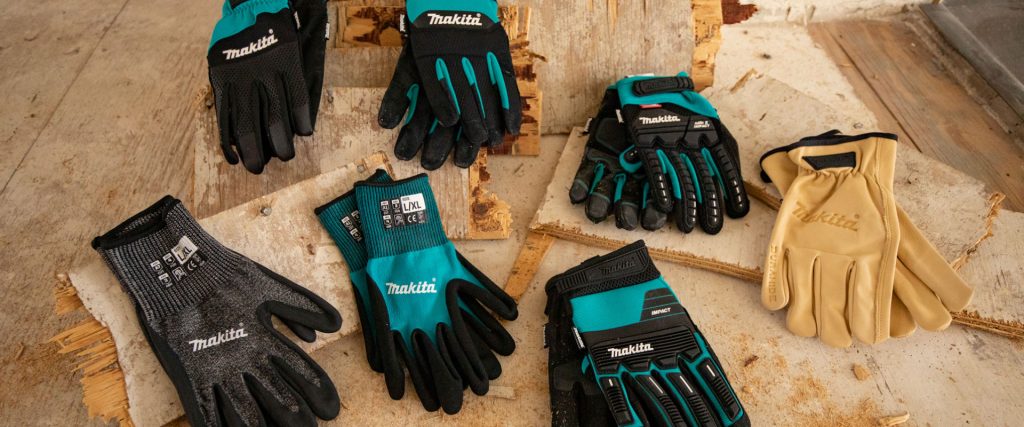

Accidental cuts happen fast in woodworking, especially when you’re using chisels, carving knives, utility knives, or other sharp hand tools. The right cut-resistant gloves can reduce the risk of lacerations without sacrificing the dexterity you need to work safely and accurately.
The key is choosing gloves with the right ANSI cut rating, comfortable materials, and a secure grip.
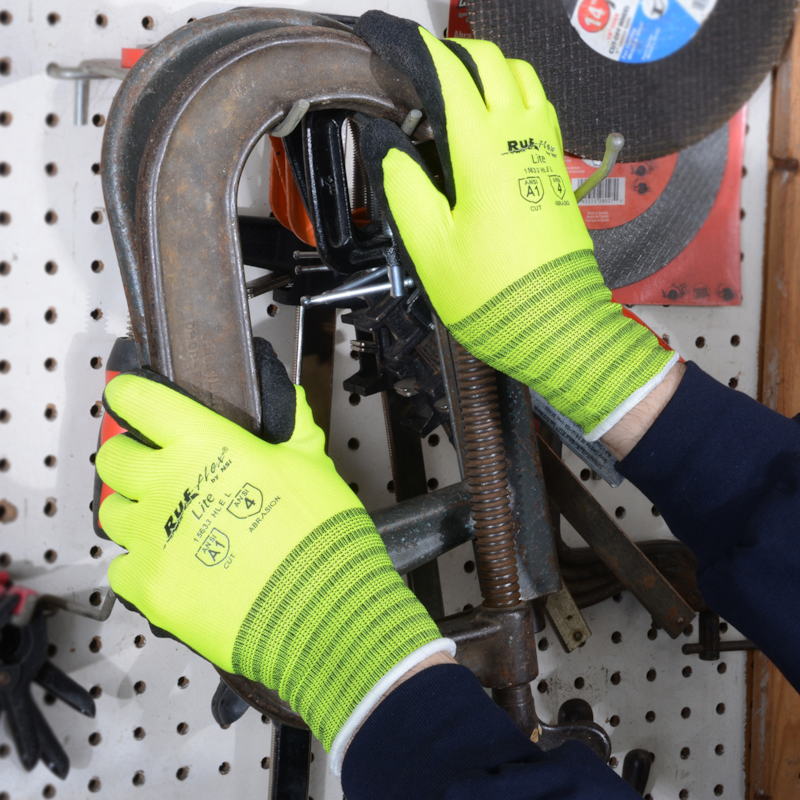
For most woodworking applications involving hand tools, ANSI A4 to A5 cut-resistant gloves made from HPPE or Kevlar with a polyurethane or nitrile-coated palm provide the best balance of protection and control.
Just remember one critical rule: never wear cut-resistant gloves while operating rotating power tools such as table saws, routers, band saws, drill presses, or lathes.
Quick Skim: Choosing Woodworking Gloves
| Factor | What to Look For | Best For |
|---|---|---|
| ANSI Cut Rating | A4 to A5 | Wood carving, chisels, hand planes, utility knives |
| Material | HPPE or Kevlar | Lightweight protection and flexibility |
| Palm Coating | Polyurethane or nitrile | Better grip on tools and lumber |
| Knit Gauge | 13-gauge or finer | Better dexterity and feel |
| Fit | Snug without excess fabric | Improved control and reduced snag risk |
| Power Tools | No gloves around spinning blades | Table saws, routers, band saws, miter saws, drill presses |
Why Cut-Resistant Gloves Matter in Woodworking
Woodworkers regularly work with razor-sharp edge tools designed to remove material efficiently. While sharp tools are often safer than dull ones because they require less force, even experienced woodworkers occasionally experience slips.
Cut-resistant gloves help reduce injuries during tasks such as:
- Wood carving
- Whittling
- Chisel work
- Hand planing
- Utility knife cutting
- Trimming veneers
- Handling sheet goods
- Moving rough lumber with splinters or sharp edges
They are designed to reduce the severity of accidental cuts, not make your hands cut-proof.
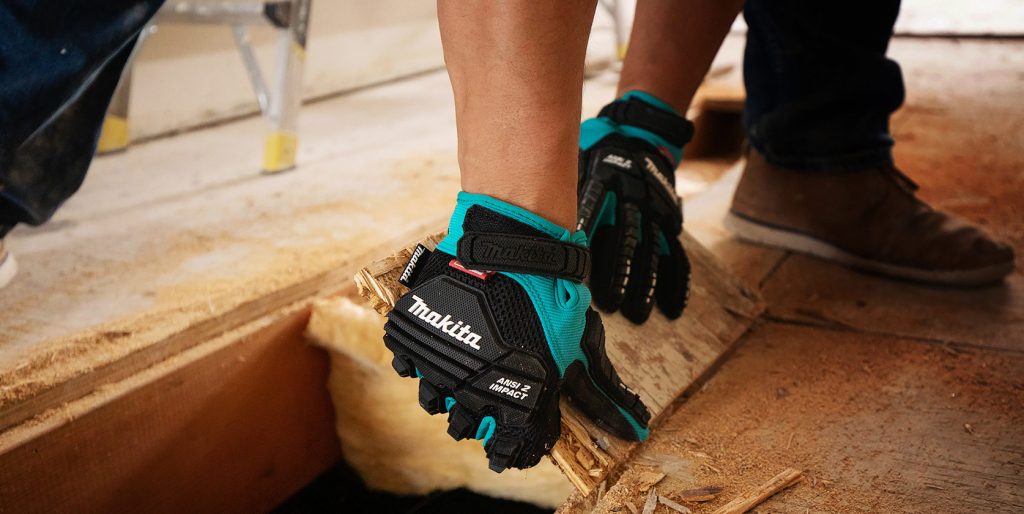
Understanding ANSI Cut Resistance Ratings
The ANSI/ISEA 105 standard measures how much force a glove can withstand before being cut. Ratings range from A1 through A9, with higher numbers providing greater cut resistance.
| ANSI Rating | Protection Level | Typical Woodworking Use |
|---|---|---|
| A1 to A3 | Light protection | Handling lumber, moving materials, splinter protection |
| A4 to A5 | Medium to high protection | Carving, chisels, hand tools, utility knives |
| A6 to A9 | Heavy industrial protection | Metal fabrication and industrial applications where dexterity is less important |
For most woodworkers, A4 or A5 offers the best combination of protection and flexibility. Higher-rated gloves often become thicker and less tactile, making precision work more difficult.
HPPE vs. Kevlar: Which Material Is Better?
Most quality cut-resistant gloves use one of two primary materials.
HPPE (High Performance Polyethylene)
HPPE has become one of the most popular materials for woodworking gloves because it offers excellent protection without excessive bulk.
Benefits include:
- Lightweight feel
- Excellent flexibility
- High cut resistance
- Washable
- Comfortable for extended wear
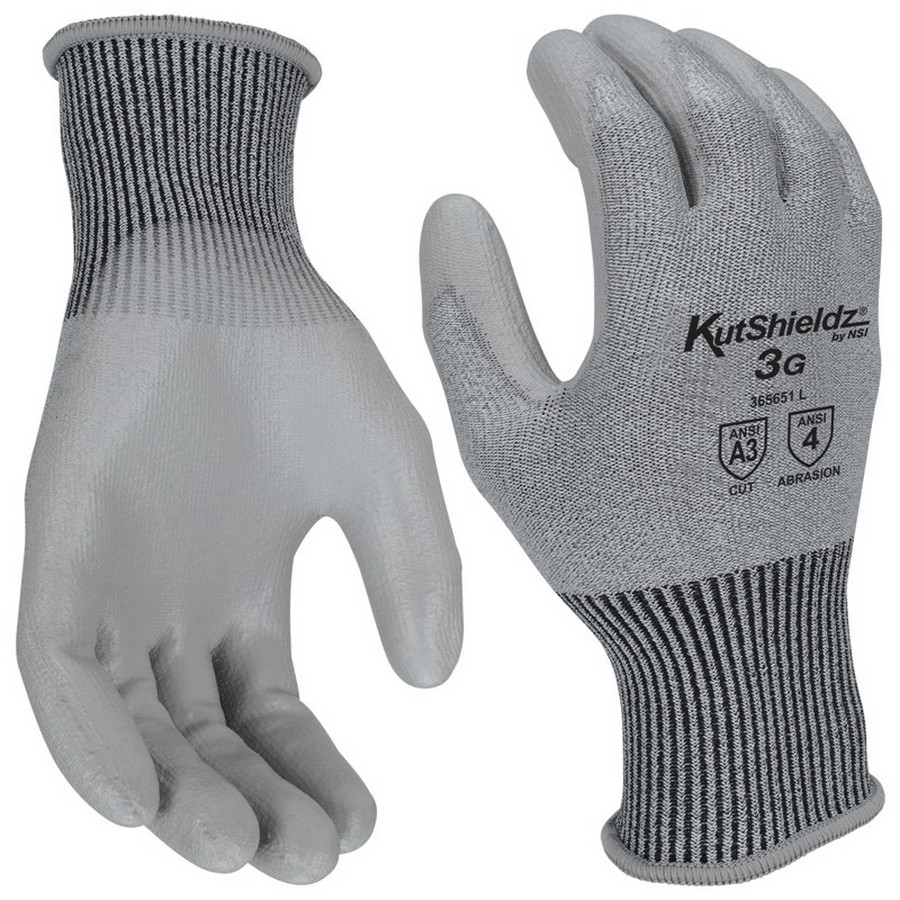
Many modern woodworking gloves use HPPE blended with nylon and spandex to improve comfort while maintaining ANSI-rated protection. Woodworker Express offers HPPE gloves with 13-gauge construction and polyurethane-coated palms that prioritize dexterity for material handling and precision work.
Kevlar
Kevlar remains an excellent option for users who also need some heat resistance.
Advantages include:
- Proven cut protection
- Heat resistance
- Long service history
- Excellent durability
Potential drawbacks include:
- Slightly bulkier feel
- Can become less comfortable after prolonged UV exposure or heavy perspiration
For most woodworking tasks, either material performs well. The better choice usually comes down to comfort and personal preference.
Choose the Right Palm Coating
The glove’s coating affects grip almost as much as the cut-resistant liner.
Look for:
- Polyurethane-coated palms
- Nitrile-coated palms
These coatings help you maintain control of:
- Chisels
- Carving knives
- Hand planes
- Lumber
- Sheet goods
Avoid uncoated knit gloves whenever possible. They can become slippery and reduce control over sharp tools.
Dexterity Is More Important Than Maximum Protection
A glove that feels bulky often creates new safety problems.
You need enough tactile feedback to:
- Feel the cutting edge
- Control hand pressure
- Position your workpiece accurately
- Maintain a secure grip
For woodworking, a 13-gauge knit glove typically provides an excellent balance of flexibility and protection. Higher-gauge gloves generally feel thinner and more dexterous while still meeting their ANSI cut rating. Woodworker Express carries 13-gauge HPPE gloves designed to minimize hand fatigue while maintaining flexibility and grip.
Proper Fit Is Essential
Even the highest-rated glove performs poorly if it doesn’t fit correctly.
Choose gloves that:
- Fit snugly around the fingers
- Stay secure on your hand
- Don’t bunch in the palm
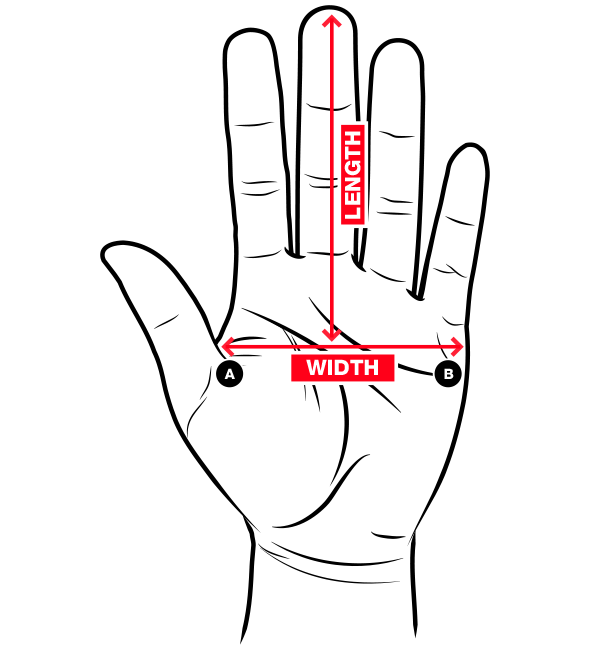
- Allow full finger movement
- Leave no loose material around the fingertips
Loose gloves reduce precision and may catch on tools or workpieces.
When Should You Wear Cut-Resistant Gloves?
They’re an excellent choice for:
- Wood carving
- Whittling
- Chisel work
- Utility knife use
- Handling rough lumber
- Moving plywood
- Loading sheet goods
- General material handling
They’re especially valuable when your support hand is positioned close to a cutting edge.
When You Should Never Wear Gloves
This is the most important safety rule in woodworking.
Never wear cut-resistant gloves while operating rotating or high-speed power tools.
That includes:
- Table saws
- Band saws
- Miter saws
- Routers
- Drill presses
- Lathes
- Jointers
- Shapers
Unlike a hand tool, a spinning blade or bit can instantly grab glove material and pull your hand into the cutting area. Even highly cut-resistant fibers cannot prevent this type of injury and may increase the severity by providing more material for the machine to catch. Safety organizations and experienced woodworkers consistently recommend bare hands around rotating equipment.
Features Worth Looking For
When comparing woodworking gloves, prioritize these features:
- ANSI A4 or A5 cut rating
- HPPE or Kevlar construction
- Polyurethane or nitrile palm coating
- 13-gauge knit for flexibility
- Breathable liner
- Touchscreen compatibility
- Machine washable materials
- Color-coded sizing for easy replacement
These features improve comfort while helping maintain the control needed for precision woodworking.
Final Takeaway: How to Choose Cut-Resistant Gloves for Woodworking
The best cut-resistant gloves for woodworking balance protection with control.
For most hand tool applications, choose gloves that feature:
- ANSI A4 to A5 cut resistance
- HPPE or Kevlar construction
- Polyurethane or nitrile-coated palms
- A snug fit
- Lightweight 13-gauge knit construction
Most importantly, remember that cut-resistant gloves are designed for hand tools and material handling, not rotating power tools. Matching your gloves to the job is one of the simplest ways to improve shop safety without compromising precision.
Choosing the Right Gloves from Woodworker Express
Woodworker Express offers a range of hand protection solutions for woodworking, including lightweight HPPE cut-resistant gloves with polyurethane-coated palms for excellent grip and dexterity, as well as disposable nitrile gloves for finishing, staining, and adhesive applications. Whether you’re carving by hand, handling rough materials, or working through shop cleanup, selecting the right glove for the task helps improve both safety and comfort.