
Choosing the right ventilator for your range hood starts with three things: your cooktop size, your cooking power, and how the hood will vent air.
For most kitchens, you can estimate the airflow you need by using 100 CFM per 10,000 BTUs for a gas range or 100 CFM per 10 inches of cooktop width for electric and induction cooktops.
After you know the right CFM, choose the blower style, ducting setup, and noise level that fit your kitchen. A well-matched ventilator helps remove smoke, grease, steam, heat, and cooking odors before they spread through your home.
Quick Skim: Range Hood Ventilator Buying Guide
| What to Choose | Quick Rule | Best For |
|---|---|---|
| Hood width | At least as wide as your cooktop | Better smoke and steam capture |
| Gas range CFM | Total BTUs ÷ 100 | Gas and pro-style ranges |
| Electric or induction CFM | 100 CFM per 10 inches of cooktop width | Standard home cooktops |
| Internal blower | Motor inside the hood | Simple installs and most remodels |
| Inline blower | Motor inside the duct run | Quieter kitchens |
| External blower | Motor outside the home | Lowest kitchen noise |
| Ducted ventilation | Sends air outside | Heavy cooking and gas ranges |
| Ductless ventilation | Filters and recirculates air | Apartments or homes without duct access |
| Noise rating | Look for lower sones | Everyday comfort |
| Makeup air | May be needed over 400 to 600 CFM | Tight homes and high-power hoods |
What Is a Range Hood Ventilator?
A range hood ventilator, also called a blower, is the motorized part of the range hood that moves air. It pulls smoke, steam, grease, and odors away from your cooktop.
Some blowers sit inside the hood. Others mount in the ductwork, on an outside wall, or on the roof. The right choice depends on your cooking style, your kitchen layout, and how much noise you want in the room.
Step 1: Match the Hood Width to Your Cooktop
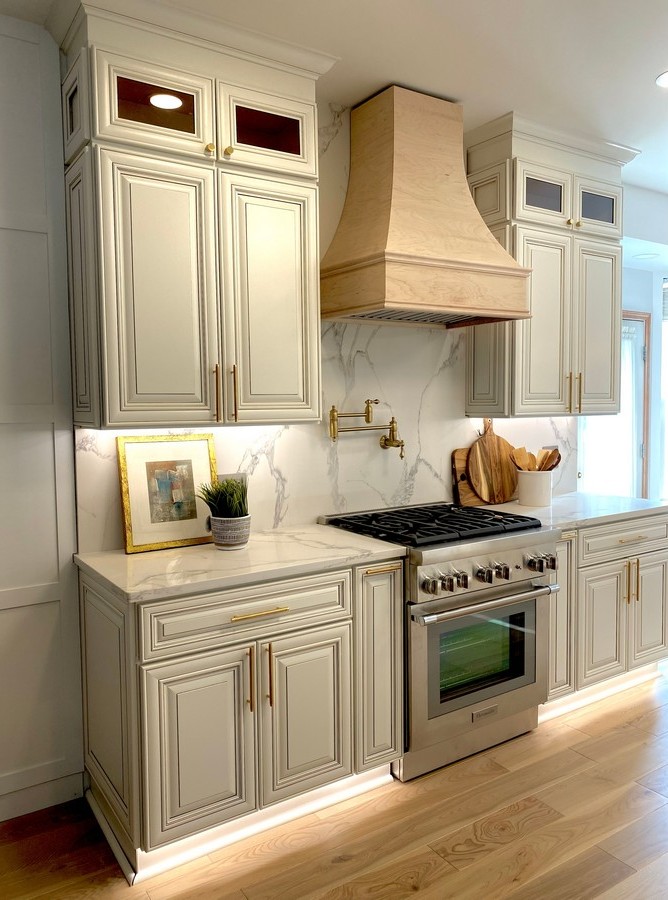
Start with coverage. Your range hood should be at least as wide as your cooktop. This helps the hood catch rising smoke, steam, and grease before they spread across the kitchen.
For many wall-mounted range hoods, matching the hood width to the cooktop width works well. For island hoods, wider coverage often helps because there are no walls or cabinets beside the hood to help contain rising air.
A wider hood can be helpful if you:
- Cook with high heat
- Fry or sear often
- Have an island cooktop
- Have a wide or pro-style range
- Want better capture around the front burners
Good capture matters as much as blower power. A powerful ventilator cannot work well if the hood does not cover the cooking surface.
Step 2: Calculate the CFM You Need
CFM stands for Cubic Feet per Minute. It tells you how much air the ventilator can move.
Higher CFM means the blower can move more air. That can help with smoke, heat, and odors, especially if you cook often or use high heat.
For Gas Ranges
For gas cooking, add up the maximum BTU output of all burners. Then divide that number by 100.
Formula:
Total burner BTUs ÷ 100 = minimum CFM
For example, a gas range with 50,000 total BTUs needs at least a 500 CFM ventilator.
This is a baseline. If you cook with high heat often, choose a stronger blower or add a safety buffer.
For Electric or Induction Cooktops
For electric and induction cooking, use the width of the cooktop.
Formula:
100 CFM per 10 inches of cooktop width
For example, a 30-inch electric cooktop needs at least a 300 CFM ventilator.
A 36-inch cooktop would need about 360 CFM, though many shoppers round up to the next common blower size.
When to Add More CFM
Add 100 to 200 CFM to your baseline if your kitchen needs extra ventilation.
This is helpful when:
- The hood is installed over an island
- The kitchen has high ceilings
- You sear, fry, grill, or wok cook often
- The duct run is long
- The ductwork has several bends
- The range has high-output burners
Do not choose more CFM than you need without checking your home’s ventilation needs. Very powerful blowers may require makeup air.
Step 3: Choose the Right Blower Style
The blower style affects noise, installation, service access, and cost. Most homeowners choose from three types: internal, inline, and external.
Internal Blower
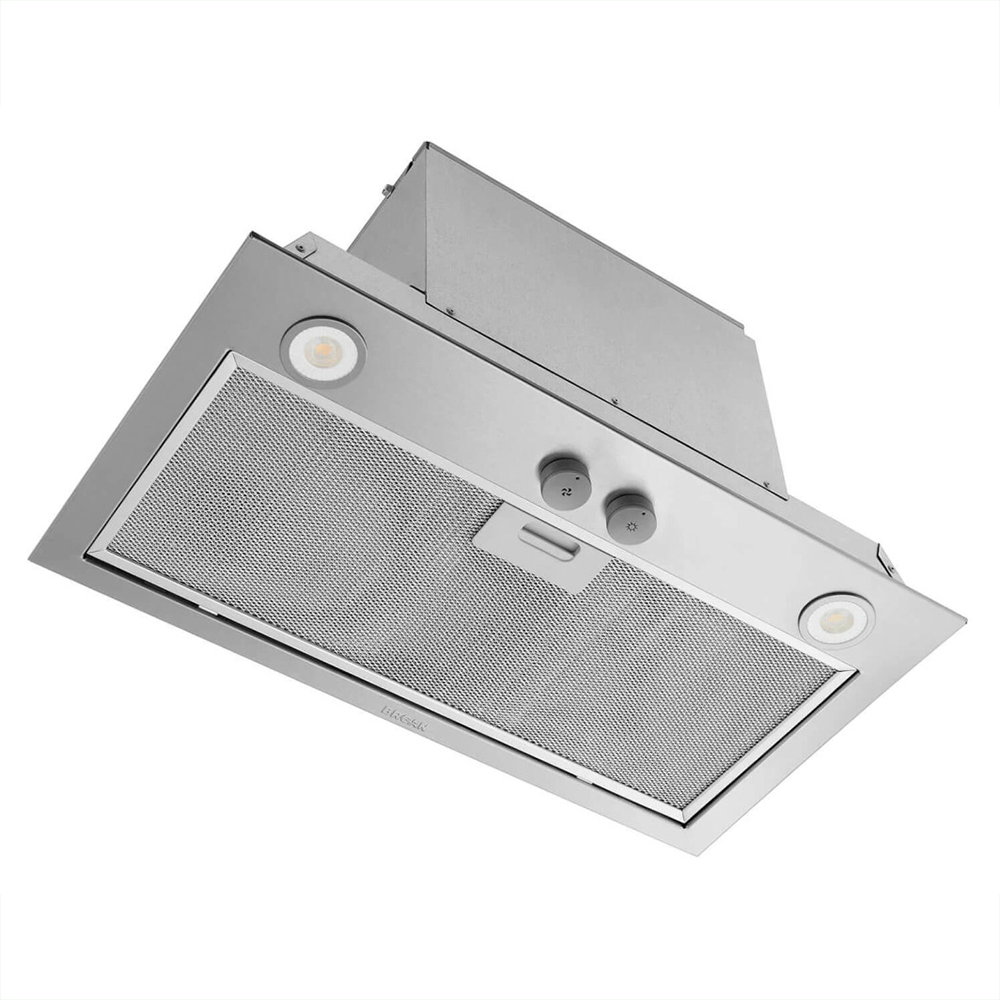
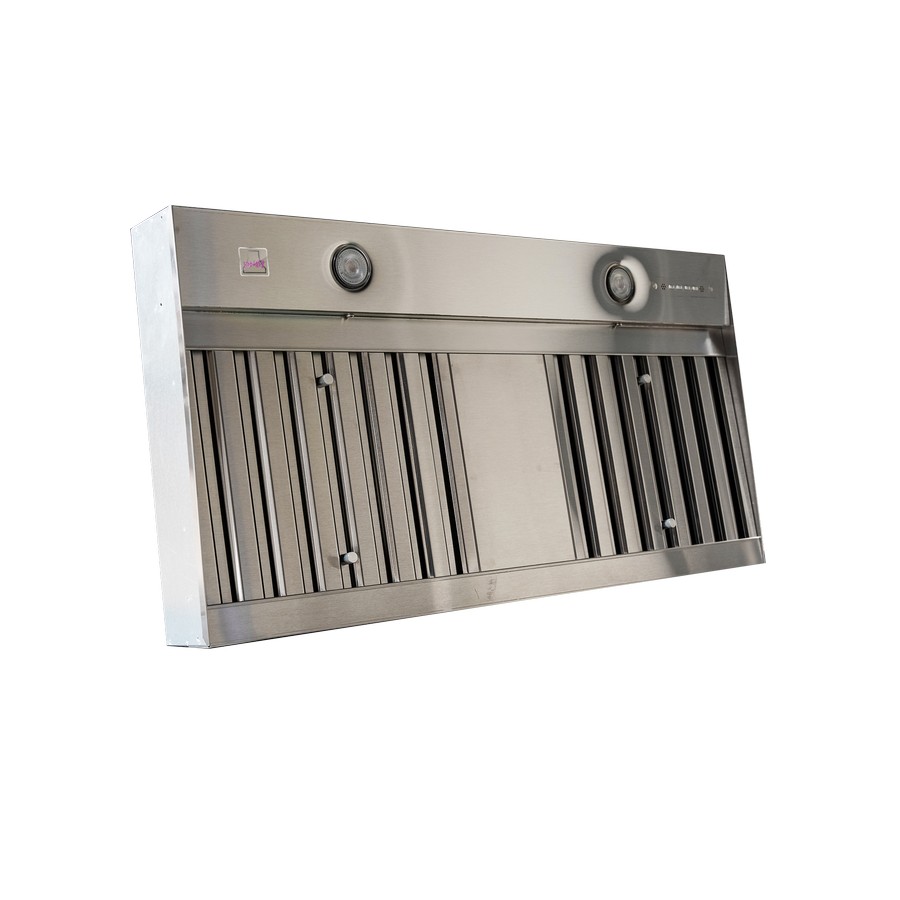
An internal blower sits inside the range hood.
This is the most common option for home kitchens because it is simple and direct. It works well for standard remodels, cabinet-mounted hoods, and many wall-mounted hoods.
Best for:
- Simple installation
- Standard kitchen upgrades
- Homeowners replacing an existing hood
- Moderate cooking needs
Main tradeoff:
The motor sits inside the kitchen, so it can sound louder than other blower styles.
Inline Blower
An inline blower sits inside the duct run, often in an attic, crawlspace, or between the hood and the exterior vent.
This setup moves motor noise farther away from the kitchen. It can be a smart middle ground if you want strong airflow without putting the blower on the roof or outside wall.
Best for:
- Quieter operation
- Kitchens with attic or crawlspace access
- Longer duct runs
- Homeowners who want a balance of power and comfort
Main tradeoff:
It needs more planning than an internal blower. You also need access to the duct location for installation and service.
External Blower
An external blower mounts outside the home, usually on the roof or an exterior wall.
This is often the quietest option inside the kitchen because the motor sits outdoors. It can work well with high-CFM hoods and serious cooking setups.
Best for:
- Quiet kitchen design
- High-CFM ventilation
- Larger ranges
- Heavy cooking
Main tradeoff:
It usually costs more to install and may require more complex ductwork.
Step 4: Choose Ducted or Ductless Ventilation
Next, decide where the air goes.
A ducted hood sends air outside. A ductless hood filters the air and sends it back into the kitchen.
Ducted Ventilation
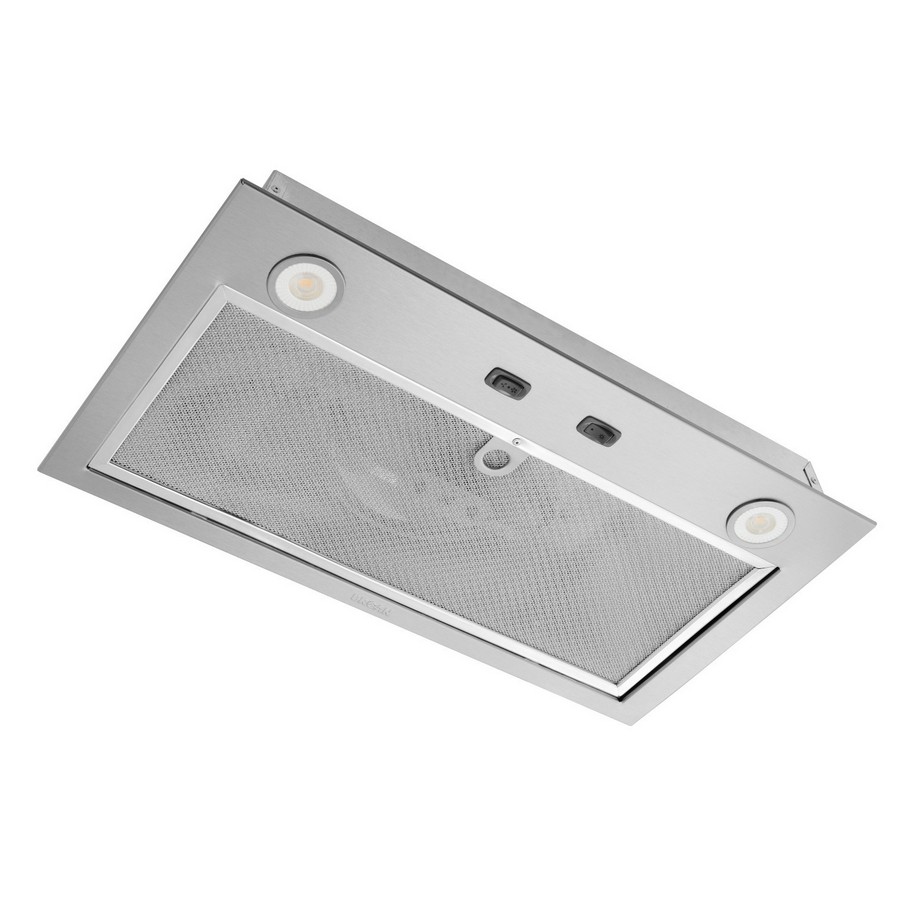
Ducted ventilation is the best choice for most homeowners who cook often. It removes smoke, steam, heat, grease, and odors from the home instead of recirculating them.
Best for:
- Gas ranges
- Frequent cooking
- Frying and searing
- Strong odors
- High-heat cooking
- Kitchen remodels where ductwork is possible
For best performance, keep duct runs as short and straight as possible. Too many bends can reduce airflow.
Ductless Ventilation
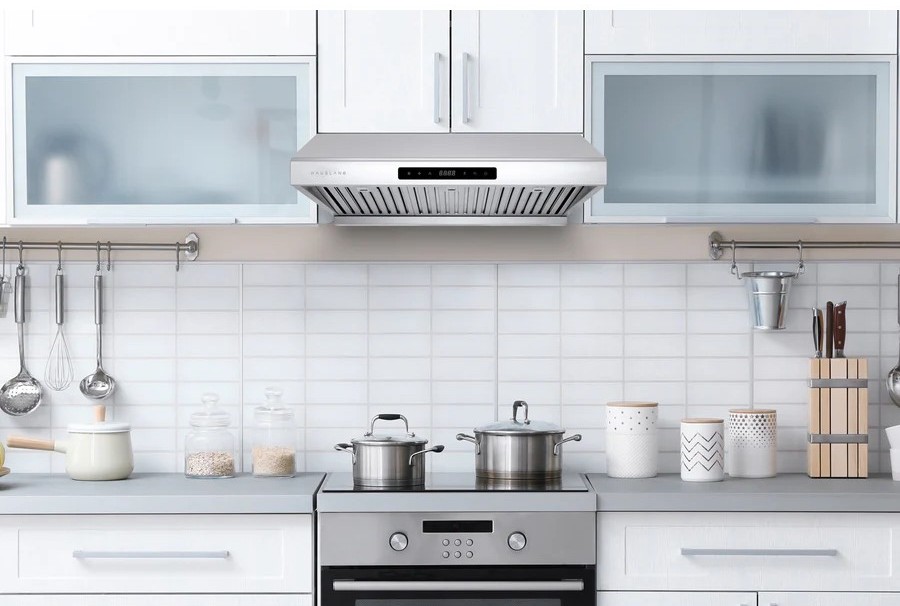
Ductless ventilation is useful when exterior ductwork is not possible. These hoods use filters, often including charcoal filters, to help capture grease and reduce odors.
Best for:
- Apartments
- Condos
- Small remodels
- Kitchens where exterior venting is not allowed
- Light to moderate cooking
Ductless hoods do not remove heat or moisture as well as ducted models. They also need filter changes to keep working well.
Step 5: Check the Noise Rating
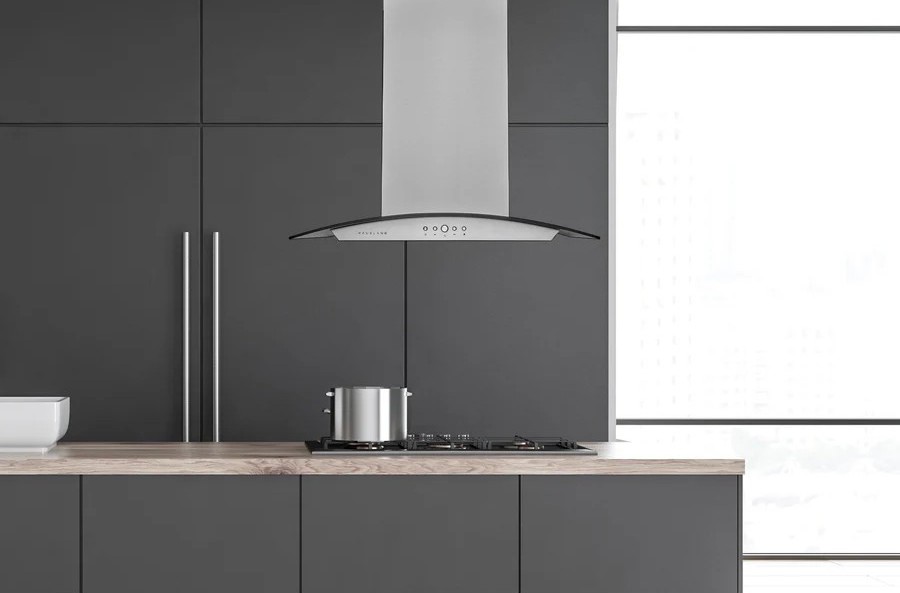
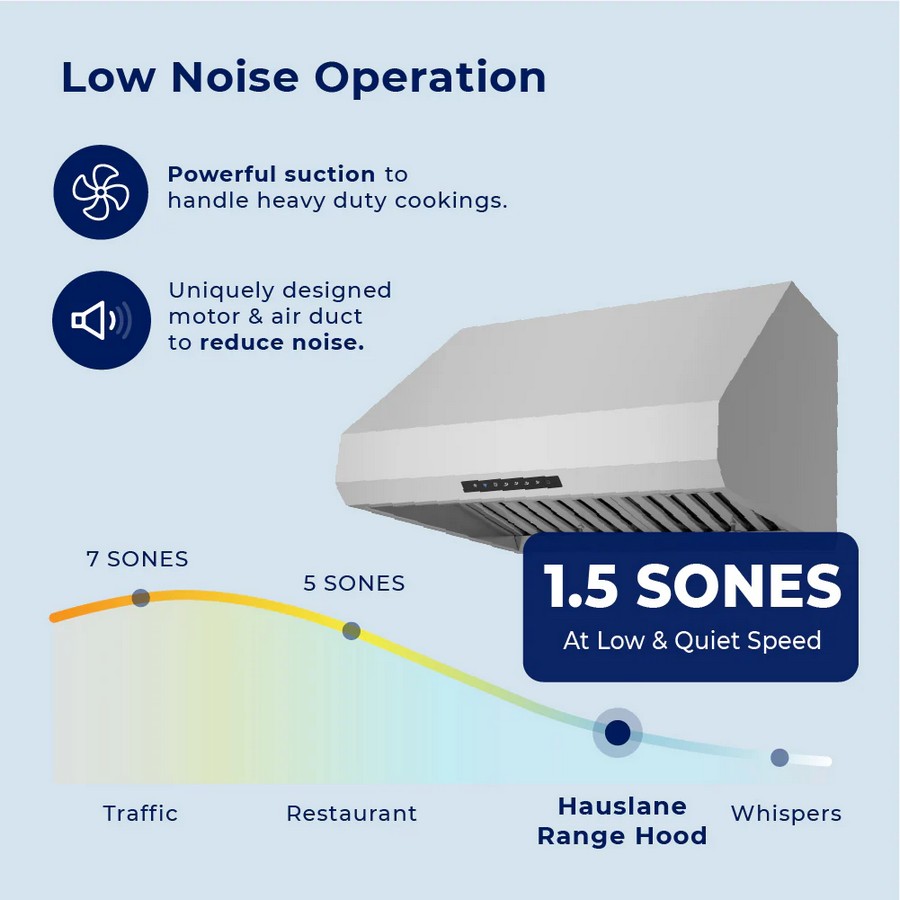
Range hood noise is often measured in sones. A lower sone rating means quieter operation.
As a simple guide, one sone is close to the hum of a quiet refrigerator. For everyday cooking, look for a blower that operates around 3 sones or fewer on normal speeds.
Noise depends on several factors:
- Blower style
- CFM level
- Duct length
- Duct shape
- Installation quality
- Fan speed
A high-CFM internal blower may sound loud because the motor sits close to the cooking area. An inline or external blower can reduce kitchen noise by moving the motor away from the room.
Variable-speed controls also help. You can use a low speed for simmering and a higher speed for frying or searing.
Step 6: Know When Makeup Air Matters
High-CFM range hoods remove a lot of air from the home. In tight homes, that air must be replaced.
If the blower pulls out more air than the home can naturally bring in, it can create negative pressure. This may affect comfort and can cause backdrafting from gas appliances.
A makeup air damper brings fresh air back into the home when the range hood runs. Local codes often require makeup air for high-powered hoods, commonly around 400 to 600 CFM, depending on the area.
Before installing a high-CFM ventilator, check local code or ask a qualified installer. This step is especially important if your home has gas appliances, a fireplace, or very tight insulation.
Common Mistakes to Avoid
Small sizing and installation mistakes can make a range hood less effective. Avoid these common problems before you buy.
Choosing CFM Based Only on Hood Size
Hood size matters, but it does not tell the whole story. A gas range with high BTUs may need more airflow than a standard electric cooktop of the same width.
Ignoring the Total BTUs on a Gas Range
For gas cooking, total BTUs drive the CFM calculation. Add all burners together, then divide by 100.
Buying More Power Than You Need
More CFM is not always better. A powerful blower can be louder, may need larger ductwork, and may require makeup air.
Using Ductless Ventilation for Heavy Cooking
Ductless hoods can help with light cooking, but they are not the best choice for frequent frying, searing, or gas cooking. A ducted hood removes more heat, smoke, and moisture.
Forgetting About Noise
A blower that looks right on paper may feel too loud in daily use. Check the sone rating and consider an inline or external blower if quiet performance matters.
Overlooking the Duct Run
Long duct runs, tight bends, and poor duct sizing can reduce airflow. A strong blower still needs a clear path to move air outside.
Which Ventilator Is Right for Your Kitchen?
| Kitchen Setup | Smart Ventilator Choice |
|---|---|
| 30-inch electric cooktop | At least 300 CFM |
| 30-inch induction cooktop | At least 300 CFM |
| Gas range with 50,000 total BTUs | At least 500 CFM |
| Frequent frying or searing | Add 100 to 200 CFM |
| Island cooktop | Add extra CFM and choose wider hood coverage |
| Quiet kitchen priority | Inline or external blower |
| Apartment with no duct access | Ductless hood with charcoal filters |
| High-CFM hood in a tight home | Check makeup air requirements |
Final Takeaway: How to Pick Ventilator for Range Hood
The right range hood ventilator should match your cooktop, your cooking habits, and your kitchen layout. Start by choosing a hood that covers the cooktop. Then calculate the CFM based on gas BTUs or electric cooktop width.
For most homeowners, a ducted hood with the correct CFM offers the best mix of smoke control, odor removal, and long-term performance. If noise matters, consider an inline or external blower. If you choose a high-CFM unit, check whether your home needs makeup air before installation.